Lesson format
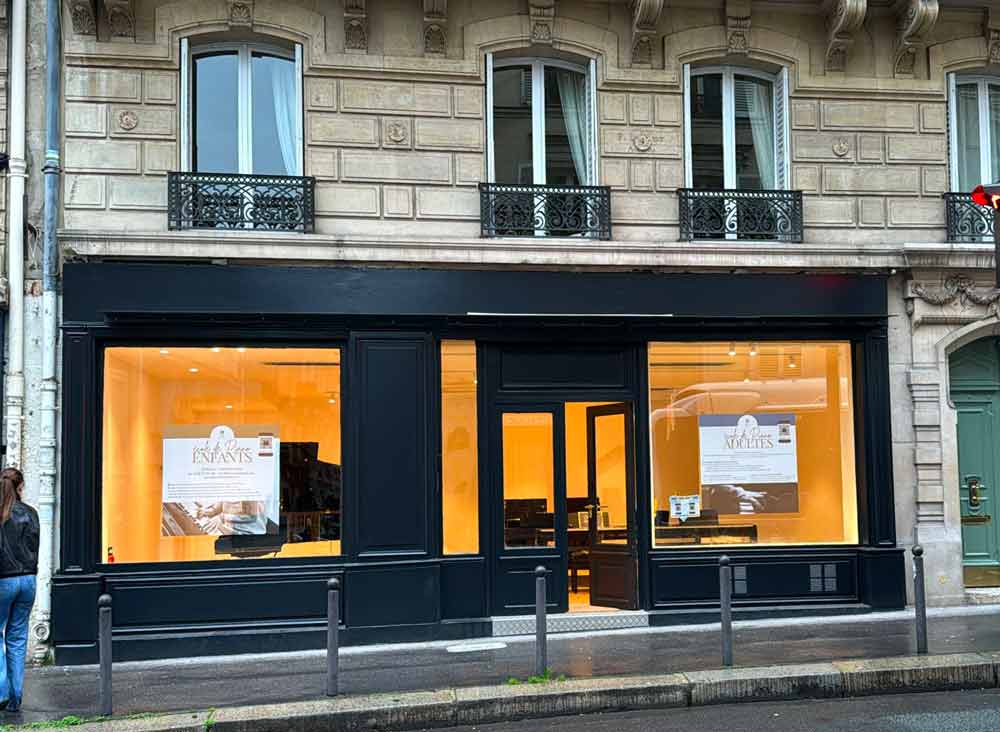
Piano AcadémieIn-person group lessons with individual guidance and opportunities to learn alongside others.
Other formatsOne-to-one lessons, smaller groups and self-paced courses offer different levels of teacher contact.
Introduction
Since its first lessons in 2015, Piano Académie has developed a group format with individual guidance. This comparison explains how its approach differs from one-to-one and other ways of learning, so adults can choose a format that suits their goals.
1. An innovative pedagogical approach
The Mi-Young LEE Method
Our method is based on a sequential and compartmentalized approach. Each piece is broken down into measures, with each one needing to be perfectly mastered before moving on to the next. This approach helps learners build understanding and reinforce memory, while giving students the opportunity to correct their mistakes without compromising the entire piece.
The Impact of the Collective
The choice of group lessons allows students to progress together, share their experiences, and enrich one another. This dynamic creates a stimulating and friendly atmosphere, fostering learning and self-confidence.
2. An interactive pedagogical approach
At Piano Academy, the essence of our method lies in the personalized attention provided within a group setting. During each class, the teacher actively moves from one student to another, demonstrating techniques, correcting mistakes, and tailoring advice to each individual’s specific needs. This structure supports progress at each learner’s pace while creating a stimulating atmosphere where students learn from one another. Additionally, music theory is offered through dedicated group classes held online at specific times, allowing each student to strengthen their theoretical understanding and improve their sheet music reading skills.
| Criterion | Piano Académie | Other learning formats |
|---|---|---|
| Lesson format | In-person group lessons with individual guidance and opportunities to learn alongside others. | One-to-one lessons, smaller groups and self-paced courses offer different levels of teacher contact. |
| Teaching approach | Step-by-step work on short sections of a piece, with correction before moving on. | Approaches vary by teacher and programme; ask how repertoire, technique and reading are taught. |
| Feedback and correction | The teacher moves between learners, gives individual corrections and adapts the next step. | A private lesson offers dedicated teacher time; self-paced study may provide less immediate feedback. |
| Motivation and engagement | Learning alongside others can support motivation; progress still depends on practice and personal goals. | Some learners prefer the privacy and pace of individual lessons; others benefit from a group. |
| Pricing and access | Course packs and a monthly subscription are available; check the current adult group-lesson prices and terms. | Compare the total cost, lesson length, frequency and what is included in each offer. |
| Music theory | Separate online group sessions can support music theory and score reading. | Theory may be integrated into lessons or taught separately, depending on the provider. |
| Suitability for adults | Adults can work on their own repertoire and progress at a pace suited to their practice. | Private or other group formats can also suit adults; compare scheduling and teaching style. |
Explore how the Piano Académie method works, or review the current adult group-lesson options before choosing a format.
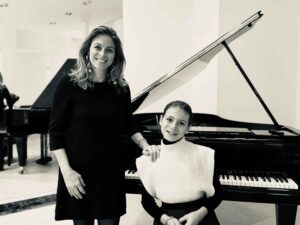
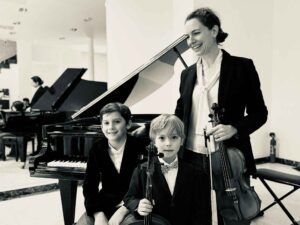
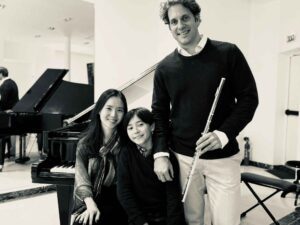
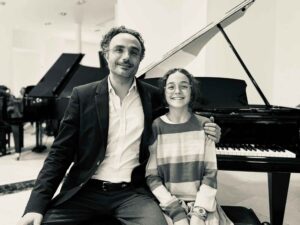
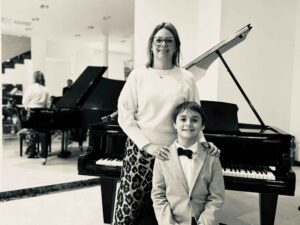
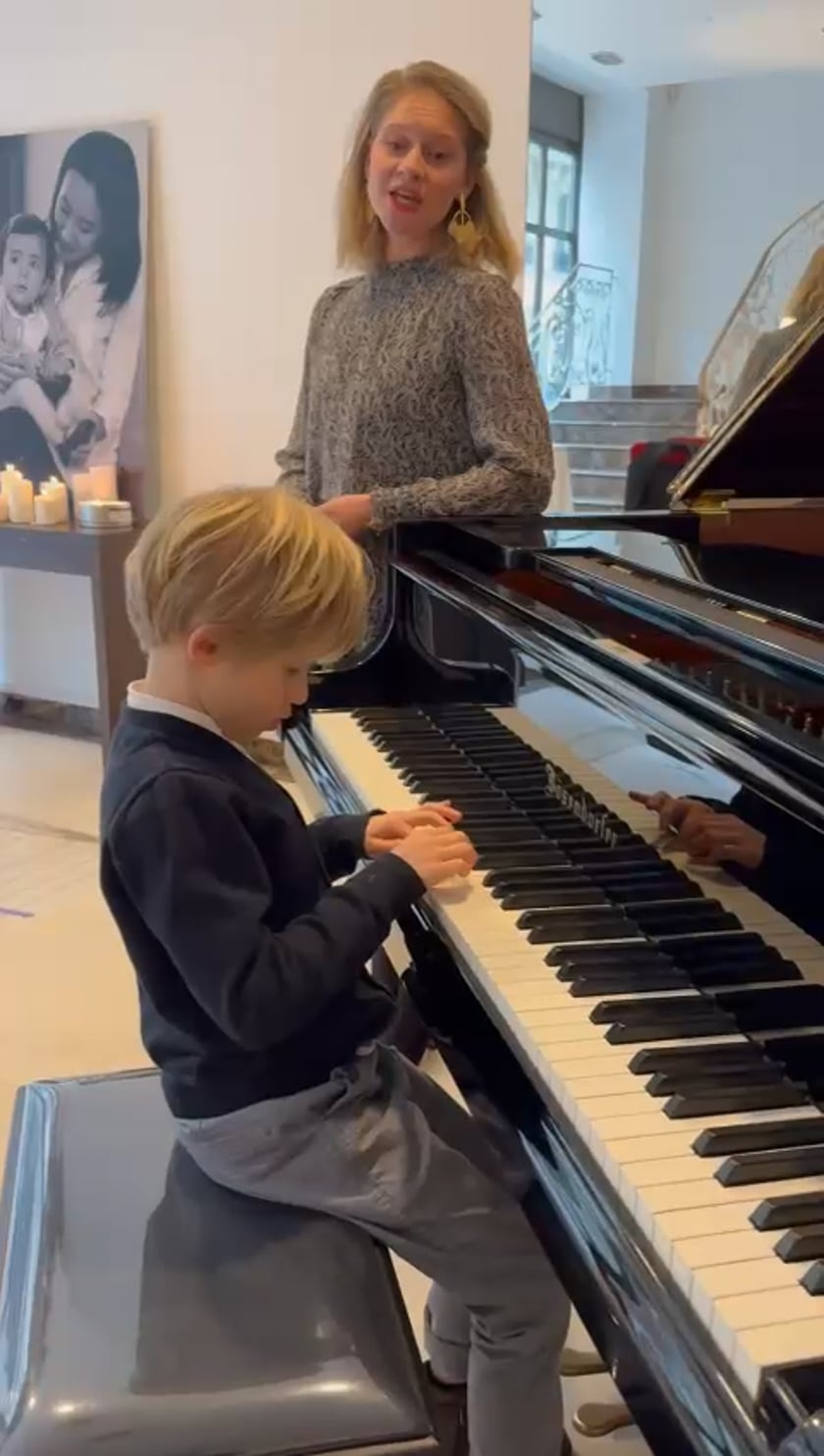
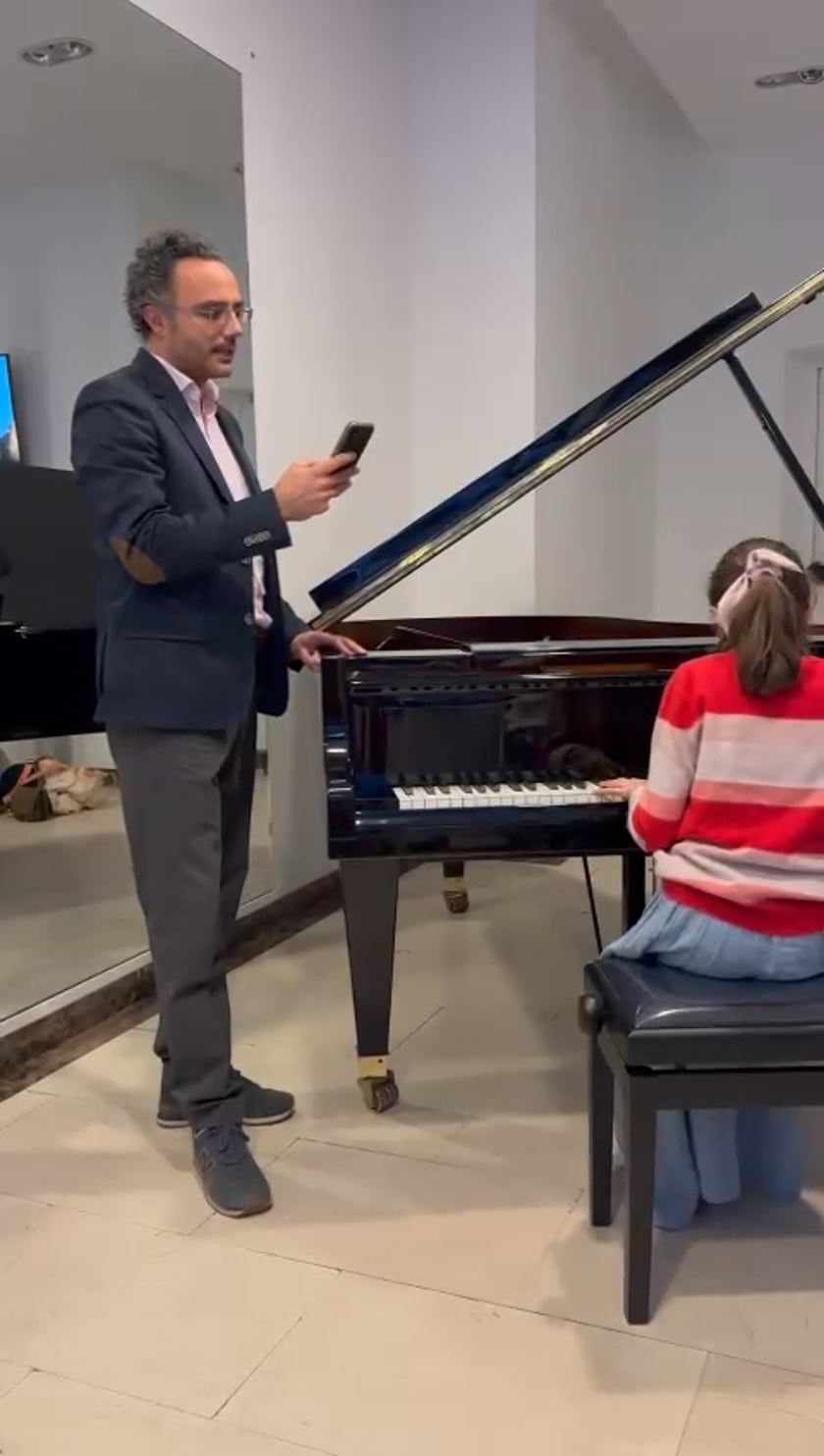
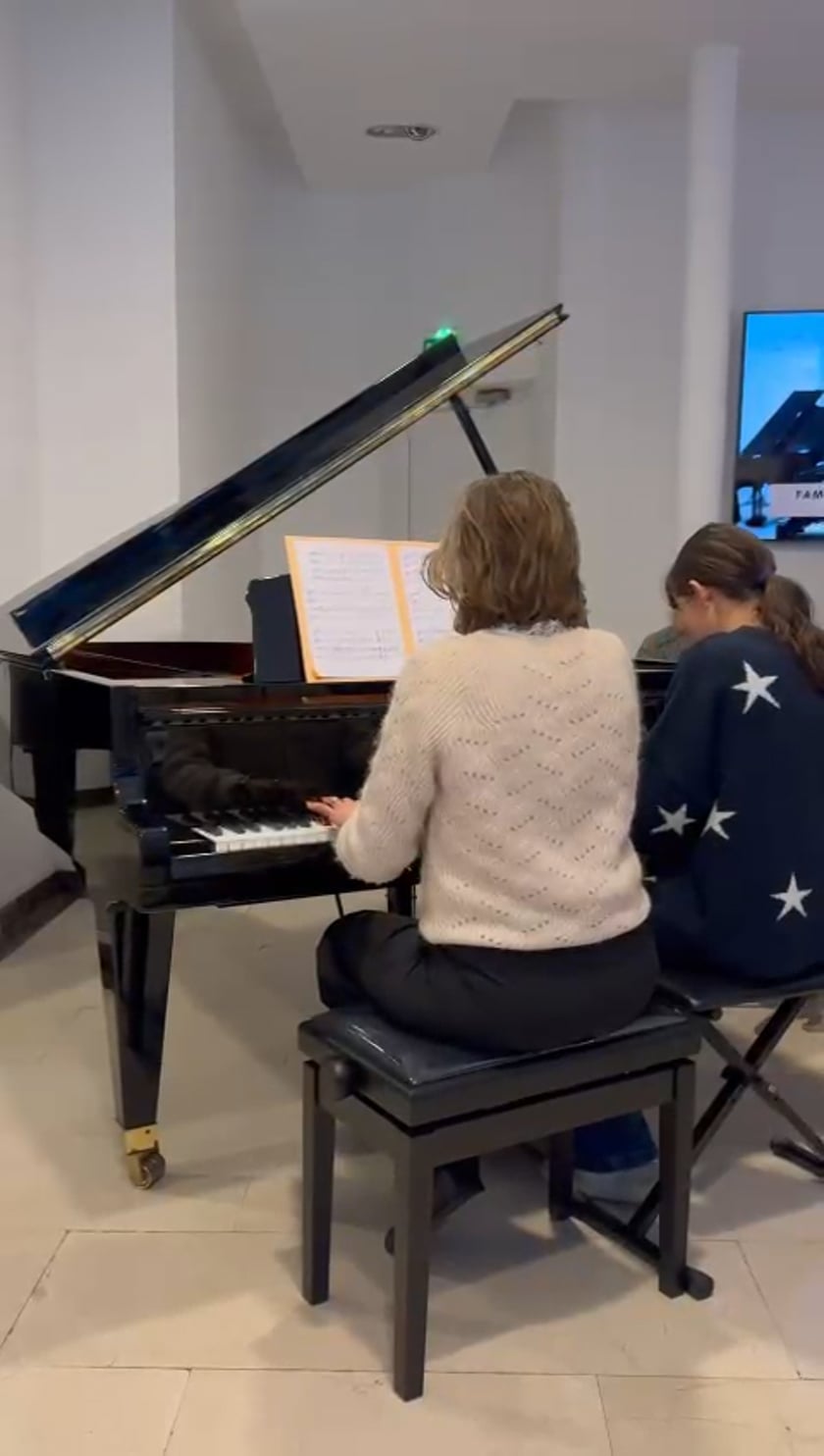
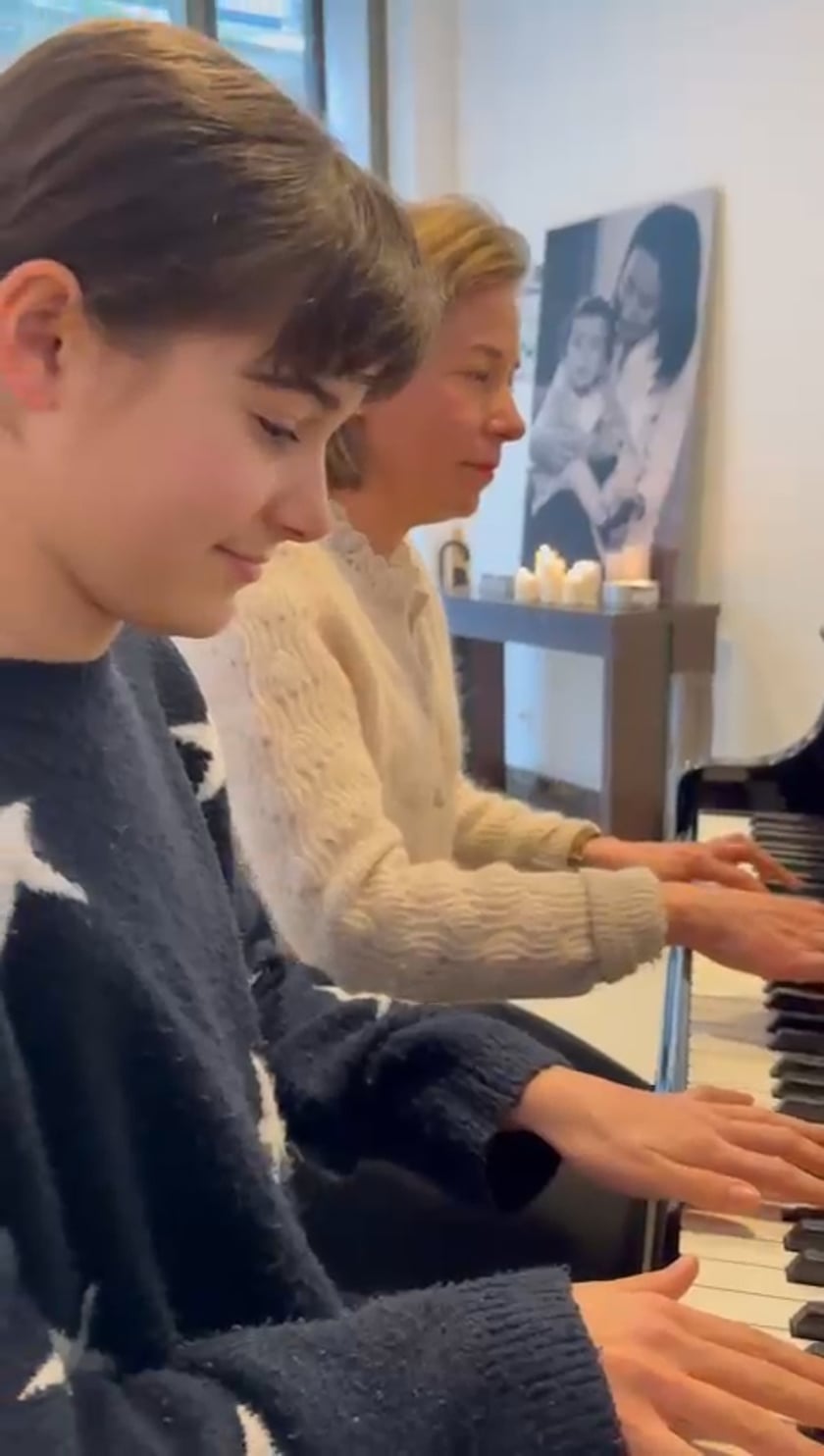
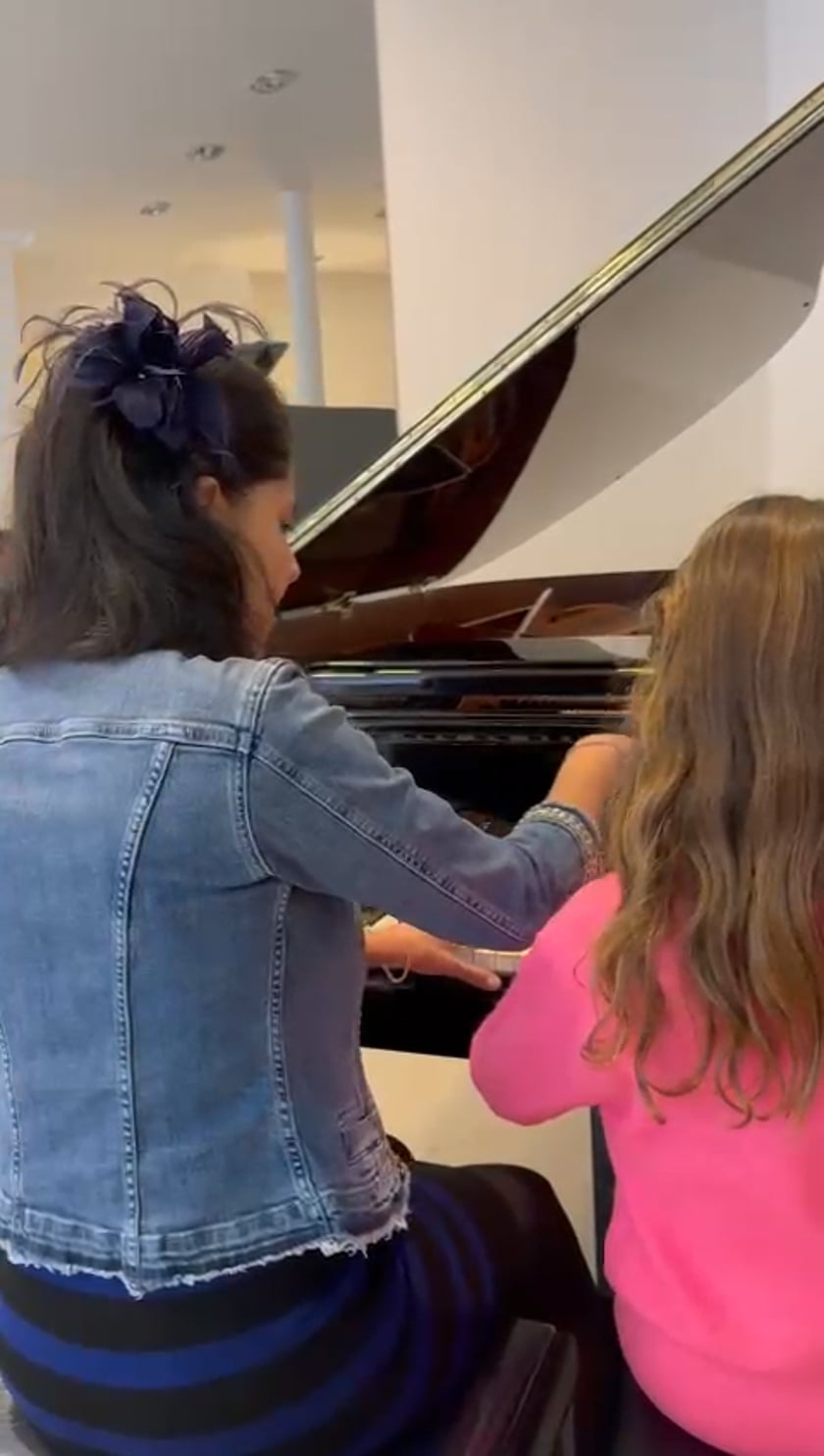
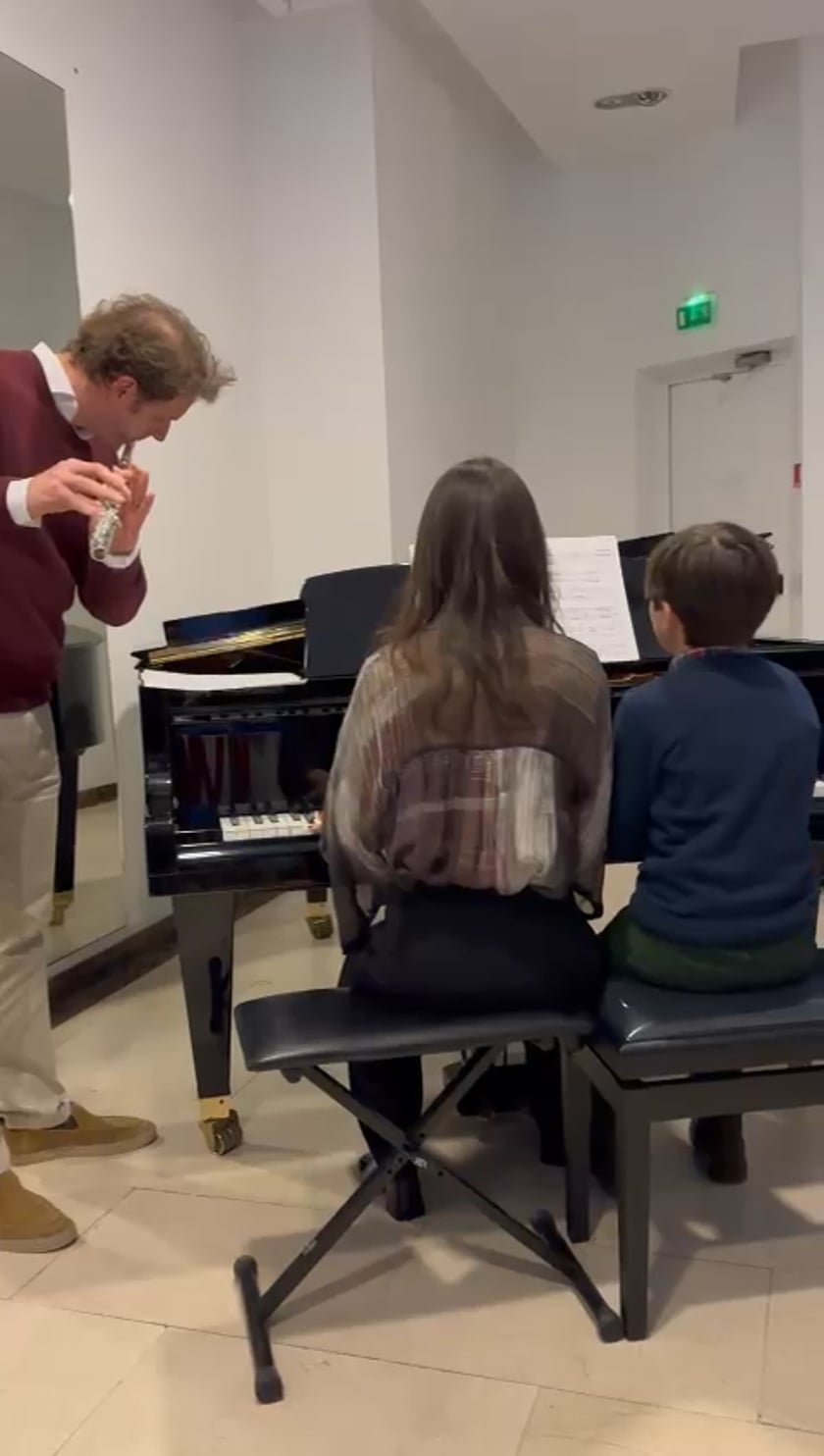
A big thank you to you for organizing this family concert and for your dedication to our children, helping them grow through music as well!
I regret that we didn’t take a photo with you… we had to leave quickly at the end of the concert…
I’m still enchanted by the concert we had the privilege of attending yesterday. Your introductory performance, the students—all more talented than the next—I’m in awe of having been able to witness it. I feel like I was invited to an exclusive circle of tomorrow’s talents.
I wanted to thank you for this wonderful initiative... What a joy to be able to share this passion with our children. What a delight to listen to all the families who gave their all for an incredibly moving result. We had a delightful afternoon and were thrilled to share our joy of playing together! Count us in for the next one ☺️!
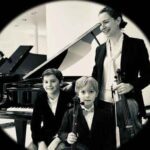
Whether you are a complete beginner or already a musician, you can learn in a stimulating, flexible and motivating environment. Our approach is designed for anyone who wants to enjoy playing, make rapid progress and follow a proven method, either in person in Paris or online.

Our promise is clear: to make learning the piano accessible, motivating and rewarding, even if you are starting later in life, have limited time or believe that the piano may not be for you. We also emphasise freedom of repertoire, rapid progress, manageable daily practice and the fact that there is no age limit.
The method is designed to produce noticeable results quickly, so that the pleasure of playing is part of your progress from the very beginning.
Students can begin with a piece that speaks to them: classical music, film music or another repertoire suited to the method.
Regular practice of just 15 to 20 minutes a day can already lead to significant progress.
The instrument adapts to the student. Starting as an adult is never an obstacle.
Lessons are available at our Paris schools as well as online, with formats tailored to your needs.
Our adult programme offers several lesson schedules, as well as an unlimited membership option for group lessons.
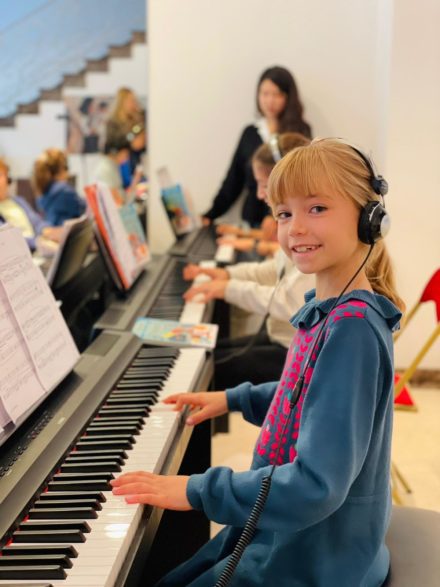
Group lessons are suitable for most students. Each pianist works on their own piece at a piano equipped with headphones, while the teacher moves around the room and provides individual guidance to each student.
Private lessons are an excellent option for those seeking entirely individualised progress, a quieter setting and an even more tailored learning experience.
Our adult programme offers three main options: in-person group lessons, online group lessons and private lessons.
You begin playing quickly, with a clear musical goal from the outset.
Your learning follows a structured method focused on music reading, technique and interpretation.
The group format does not slow your progress: everyone works on their own piece.
Lessons are available in person or online, with options designed to fit adult life.
Whether you want to return to the piano, finally begin learning, play for yourself or fulfil a long-held dream, the most important thing is to find an environment that inspires you to progress.